
Affiliate Disclosure: Some of the links on this site are 'affiliate links.' We may receive an affiliate commission if you click on the link and purchase the item, with no additional cost to you.
If you live with a Shih Tzu, you know the look. The little head tilt. The slow blink. The “you expect me to eat that?” face. We’ve been there, and our own pup, Tzuzi, has turned more than one “highly rated” food into a floor decoration.
Finding the best dog food for shih tzus doesn’t have to feel like guesswork, though. When we keep it simple, focusing on small breed needs like coat, digestion, and a healthy weight, the choices get a lot easier.
In this guide, we’ll cover what to look for on labels, which food type fits different needs (kibble, wet, fresh), and how to switch safely without upsetting a tiny toy breed tummy.
Key Takeaways
- We look for high-quality protein first, plus healthy fats for skin and healthy coat.
- Shih Tzus do best with small-bite textures and calorie control.
- Grain-free isn’t automatically “better”; we pick based on how our dog does.
- The right food changes by life stage, teeth, and digestion.
- A slow switch (7 to 10 days) helps avoid stomach upset.
What a healthy Shih Tzu diet looks like (and why it matters)
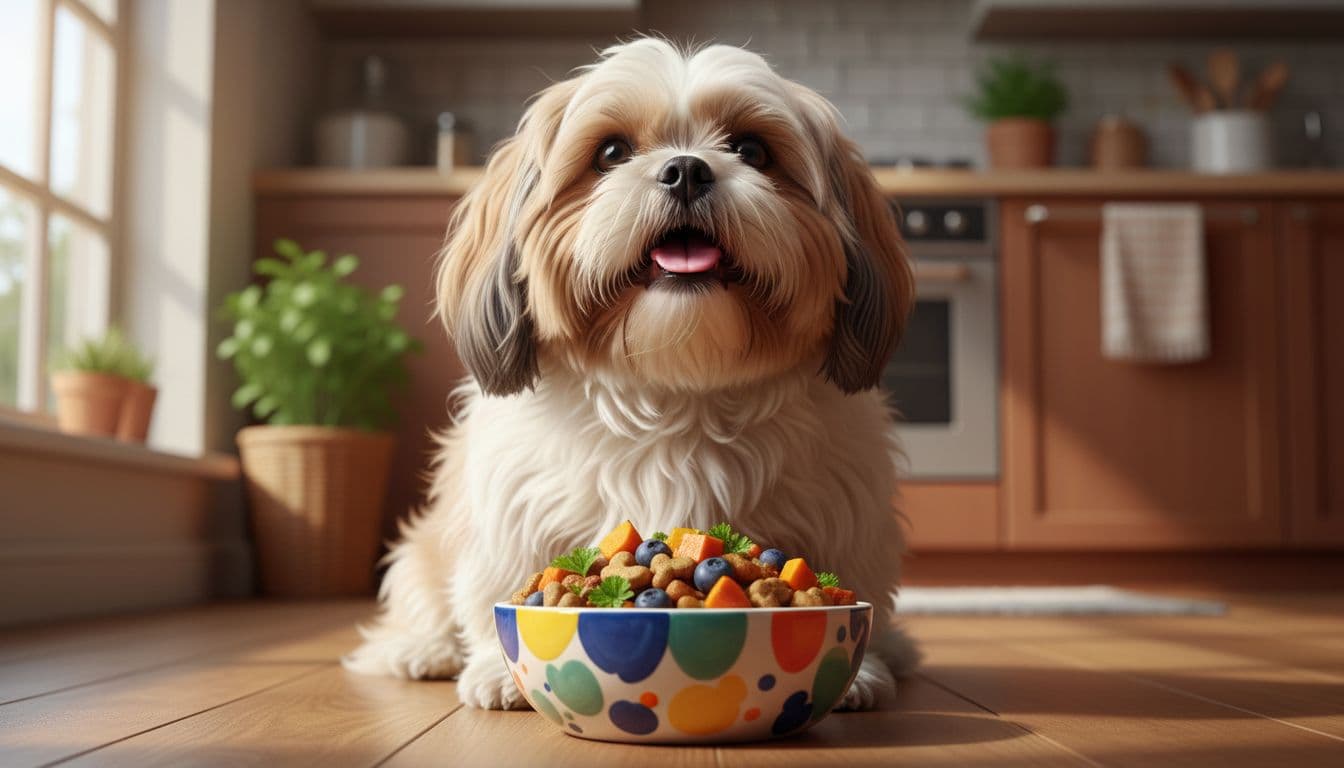
Shih Tzus are small, but their nutritional needs are not. They’ve got little mouths, often picky tastes, and a “fluff coat” that tells on us fast if the diet’s off. When food works, we usually see it in three places first: softer stools (in a good way), less itching, and a shinier, healthy coat that feels like brushed silk.
We also have to watch weight management. Shih Tzus can gain easily, especially if we pour “just a little extra” because they’re cute (they are). Extra weight can make daily life harder on their joints and breathing, and it sneaks up the way crumbs sneak into a couch.
A practical Shih Tzu-friendly diet usually comes down to:
- Protein that’s easy to digest to support muscle and steady energy
- Fats that support skin and coat, because dryness and itch can show up quickly
- Gentle fiber to keep digestion calm and consistent
- Small-breed calories that don’t overfeed a tiny body
If you’re raising Shih Tzu puppies, we also like having a plan that matches growth needs. This pairs well with our deeper guide on Shih Tzu puppy feeding guidelines, especially if you’re juggling small meals and big puppy energy.
Ingredients we actually want to see on the label
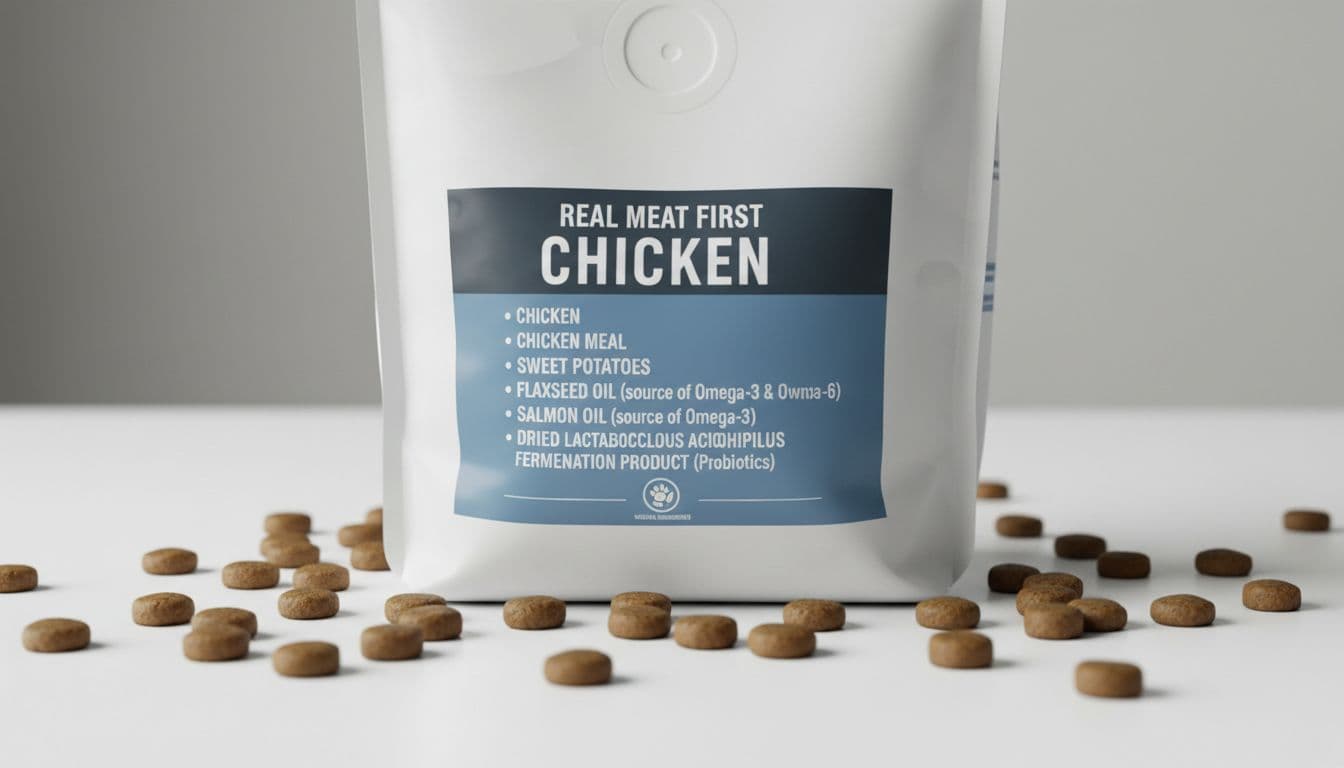
When we’re scanning a bag (usually while our Shih Tzu is scanning us), we keep a few priorities front and center.
1) Real animal protein first
Chicken, turkey, salmon, lamb, beef, or a clearly named meal (like “chicken meal”) tends to be a good sign. The first ingredient matters because it’s the largest portion by weight before cooking.
2) Healthy fats for coat and skin
We like seeing omega-3 fatty acids and omega-6 sources such as fish oil, salmon, flaxseed, or chicken fat. If your Shih Tzu’s coat gets dry or they lick their paws a lot, fats can be a meaningful piece of the puzzle.
3) Gentle carbs and fiber
Sweet potato, pumpkin, brown rice, oats, and barley are common “easy” options for many dogs. Dietary fiber helps stools stay formed, which is the least glamorous but most useful feedback for digestive health.
4) Helpful extras (when they fit the dog)
- Probiotics can help sensitive digestion.
- Glucosamine and chondroitin can be nice for some dogs, especially as they age.
Quick label tip: Look for an AAFCO nutrient profile or nutritional adequacy statement (it should say the food is “complete and balanced” for a life stage). The PawDiet guide to Shih Tzu food also reinforces AAFCO compliance as a baseline, which matches how we shop.
Common ingredients that cause trouble for Shih Tzus
Some Shih Tzus can eat almost anything and stay fine. Others act like one wrong ingredient turns their stomach into a soap bubble machine. The most common troublemakers we see Shih Tzu owners report are:
- Corn, wheat, and soy (for some dogs, not all)
- “Mystery meat” terms (like vague meat by-products)
- Artificial colors and flavors
- Too many fillers, which can mean bigger stools and less nutrition per bite
One important note: grain-free is not automatically better. Some Shih Tzus do great without grains, others do better with gentle grains. We usually decide based on real-life results: itching, ears, stools, and energy. If the dog’s thriving, we don’t chase a trend.
The best dog food for Shih Tzus depends on their age, teeth, and tummy
There isn’t one magic bag that fits every Shih Tzu. The “best” choice depends on your dog’s nutritional needs, how your dog eats, how their digestion behaves, and what life stage you’re feeding.
Three Shih Tzu-specific details matter a lot:
Small mouths need small kibble. Shih Tzus’ brachycephalic structure and flat faces mean large pieces can lead to gulping, mess, and skipped meals.
Texture matters. Some Shih Tzus prefer a crunch. Others need softer food because of dental issues.
Calories add up fast. Small breed Shih Tzus can gain weight on “normal” portions meant for bigger dogs.
Puppies, adults, and seniors need different formulas
Shih Tzu puppies need growth support, and that means higher energy density and the right balance of nutrients. We like puppy formulas that include DHA (often from fish oil) for brain and eye development, plus clearly stated “growth” in the AAFCO statement.
Adult Shih Tzus usually do best with steady protein, moderate fat, and calories that match activity. If your Shih Tzu is more “lap royalty” than “park athlete,” we keep an extra eye on portion sizes.
Seniors often benefit from senior dog food that offers easier digestion and fewer calories, especially if activity drops. Joint support ingredients can be a plus, but the basics still matter most: does the dog maintain weight and feel good?
Simple feeding schedule we use as a starting point:
- Puppies: 3 meals a day
- Adults: 2 to 3 meals a day
- Seniors: often 2 meals a day, with smaller portions if weight creeps up
We start with the bag’s guide, then adjust based on body condition. The scoop is just a tool, not a rule.
Kibble vs wet vs fresh, how we choose what works
Kibble is the everyday favorite in many homes because it’s easy, stores well, and can help reduce plaque through chewing. For Shih Tzus, we prefer small kibble shapes in this dry dog food that don’t fight their jaw.
Wet dog food can be a lifesaver for picky eaters, dogs with dental pain, and Shih Tzus who don’t drink much. It’s also an easy topper. The catch is calories, wet food can pack energy into small portions.
Fresh dog food (gently cooked) often wins on smell and taste, which matters when your dog acts like a food critic. Fresh can also be simpler on ingredient lists, which some owners like for sensitive skin and digestion. It’s usually pricier, so we sometimes use it as a topper rather than a full switch.
A nice “middle path” is mixing: a measured base of kibble plus a spoon of wet or fresh. Then we watch stools and coat like they’re our report card.
Our 2026 short list of top food picks for Shih Tzus (by style and need)
This is our reader-friendly shortlist of the best dog food for Shih Tzus in January 2026, based on current roundups, owner feedback, and what tends to match common Shih Tzu needs (small bites, skin support, digestion). The best pick still depends on allergies, budget, and how your dog responds.
For comparison, we like checking both editorial lists and real customer experiences, such as Chewy’s Shih Tzu food roundup and the broader review perspective in Dog Food Advisor’s 2026 Shih Tzu list. We use those as starting points, not final answers.
Top fresh options for picky eaters or sensitive skin
- Raised Right Beef: Simple ingredient approach and a reputation for working well as a gentle, tasty option. Many Shih Tzu owners like it for skin and coat changes when kibble hasn’t helped.
- Nom Nom (Turkey): Gently cooked fresh dog food with human-grade ingredients, strong picky-eater appeal, and often a good match for sensitive digestion when ingredient lists need to stay clean.
- Ollie Turkey: Protein-forward, smells like real food (because it is), and tends to be tempting for dogs that walk away from their bowl.
Our cost-saving tip: Fresh food stores best when portioned. We freeze individual servings and thaw in the fridge. If full fresh is too expensive, we use it as a topper over a high-quality small-breed kibble.
Best small-breed dry dog food picks for everyday feeding
- Instinct Raw Boost Small Breed: Great fit when we want small kibble with a high-quality protein boost. Many 2026 roundups still rate it highly for small breeds.
- Royal Canin Shih Tzu Adult: Breed-specific shape and coat support, a common pick for Shih Tzu mouths and eating habits.
- Merrick Lil’ Plates: Often chosen for digestion support and a whole-food feel, also popular with picky small dogs.
- Open Farm Small Breed (ancient grains): A solid small breed choice if we want a grain-inclusive option with a thoughtful ingredient list.
- Hill’s Science Diet Small Paws (life stage options): Easy-to-find formulas for puppy, adult, and senior stages, often selected for consistent digestion.
Whatever we pick, we transition slowly over 7 to 10 days. Shih Tzu stomachs can be dramatic, and a fast switch is like changing a toddler’s bedtime and expecting peace.
Best wet dog food to mix in or use for dental issues
- Merrick Lil’ Plates wet: Helpful when we need softness plus strong flavor, especially as a topper.
- Open Farm pâté: Good option when we want more moisture and a simpler formula style.
- Blue Buffalo Delights: Convenient small portions that can work well for small-breed feeding routines.
Wet food shines for older dogs, picky eaters, and dogs with tender teeth. Our caution is always the same: measure it. Wet can quietly add a lot of calories, especially if we’re also handing out treats.
If you want another perspective on how these foods stack up, Dogster’s Shih Tzu food picks can be a helpful cross-check.
How we feed it safely, avoid weight gain, and know when to call the vet

The goal isn’t just picking a good food. It’s feeding it in a way that keeps our toy breed Shih Tzus feeling light, comfortable, and energetic. We think of it like packing a suitcase: the bag might be great, but overstuff it and the zipper breaks.
Portion sizes, treats, and the easiest way to prevent a chunky Shih Tzu
We start with the package feeding guide for your dog’s weight, then adjust based on activity and body condition. A kitchen scale makes this much easier, especially with calorie-dense foods.
A simple rule we follow: treats stay under about 10 percent of daily calories. For training, we use tiny treats (or break them into crumbs) because Shih Tzus don’t need big rewards to feel appreciated.
Two practical tools that help:
- A slow feeder for fast eaters that gulp and then burp regret.
- A quick monthly body check: we should feel ribs with light pressure, not see them, and there should be a visible waist.
Maintaining ideal weight is especially important for these small-frame dogs, since excess pounds put extra stress on joint health and can contribute to conditions like hip dysplasia.
Signs a food is not working for our Shih Tzu
When food doesn’t agree, Shih Tzus usually tell us in obvious ways. We watch for:
- Itching, red ears, hot spots (signs of skin allergies)
- Paw licking or face rubbing
- Gas, loose stools, mucus in stool (sensitive stomach issues)
- Vomiting or frequent gurgly stomach sounds
- Low energy, dull coat
- Weight gain or weight loss that doesn’t match feeding changes
We call the vet if diarrhea lasts more than a day or two, if there’s blood in stool, if vomiting repeats, or if symptoms show up suddenly and strongly. Food changes can help, but we don’t gamble with dehydration or pain.
Frequently Asked Questions about the best dog food for Shih Tzus
Do Shih Tzus need a breed-specific food?
Not always. Breed-specific formulas can be helpful for kibble shape and targeted nutrients for adult Shih Tzus, but many small-breed foods work great too. We care more about the ingredient quality, the AAFCO statement, and how our dog actually does on it.
Is grain-free better for Shih Tzus with itchy skin?
Sometimes, but not by default. Some dogs react to certain grains and benefit from grain-free options, while others thrive on whole grains. Others react to proteins like chicken or beef. We change one thing at a time so we can tell what helped.
What protein is best if our Shih Tzu has a sensitive stomach?
Turkey and fish are common “gentler” picks for many dogs with digestive health concerns, but it’s individual. We choose a clearly named protein in a limited ingredient recipe, keep it simple, and transition slowly while watching stools.
Can we mix kibble and wet food?
Yes, and it’s one of our favorite approaches for picky Shih Tzus. We just measure both parts and don’t free-pour. Mixing can improve hydration, offer immune system support through varied nutrition, and make meals more exciting without going full wet or full fresh.
How long should we take to switch foods?
Usually 7 to 10 days. If your Shih Tzu has a history of tummy upset, we go even slower. A gradual transition is the easiest way to avoid diarrhea and help your dog accept the new taste.
Conclusion
When we’re choosing the best dog food for Shih Tzus they can thrive on, we keep a simple checklist: animal protein-first, small-breed texture, matched to life stage such as Shih Tzu puppies, and free of common triggers that upset skin or stomach. Then we transition slowly, measure portions, and let coat and stools be our honest reviewers.
Tzuzi still has opinions, of course, but when we pick thoughtfully, mealtime gets a lot calmer. If you’re testing a new food this week, watch the little signals, energy, ears, itching, and bathroom habits, and you’ll usually find your answer fast.